

Introduction
Rapid Growth of Digital Innovation
Digital innovation is advancing at an unprecedented speed, transforming industries and redefining how people work, communicate, and interact with technology. Breakthroughs such as artificial intelligence, cloud computing, automation, and data analytics continue to reshape business models and everyday life.
Importance of Staying Updated with New Digital Innovations
In today’s technology-driven world, staying informed about emerging digital innovations is essential. Keeping up with these advancements enables businesses to remain competitive, improve efficiency, and meet evolving customer expectations. For individuals, it helps build relevant skills and adapt to changing career demands.
Overview of Key Innovations Covered in This Blog
What Readers Can Expect
This blog highlights some of the most influential digital innovations shaping the modern landscape. It provides insights into key technologies and trends that are driving digital transformation, offering readers a clear understanding of their impact and future potential.
Artificial Intelligence (AI) and Intelligent Automation
Evolution of AI and Its Impact
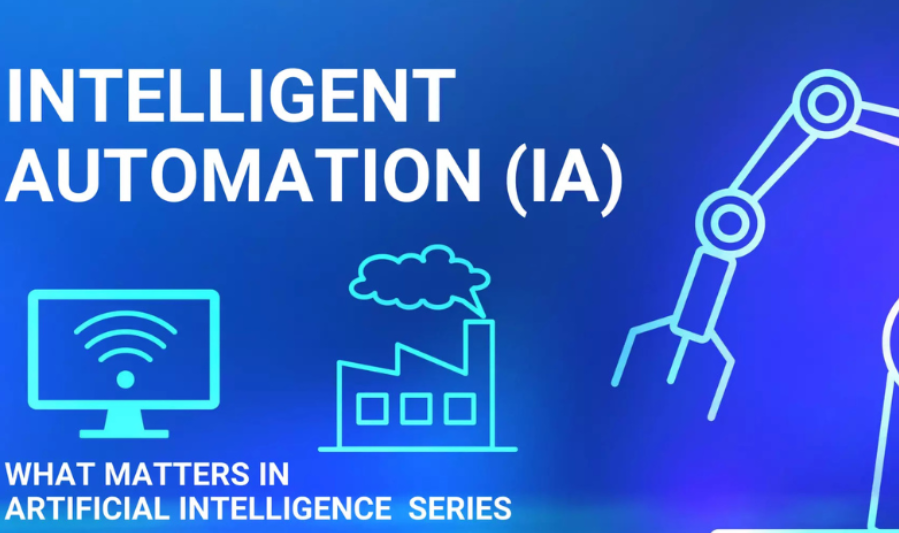
Artificial Intelligence has evolved from simple rule-based systems into advanced models capable of learning, reasoning, and decision-making. With improvements in machine learning, deep learning, and natural language processing, AI now plays a critical role across multiple sectors, enabling faster analysis, improved accuracy, and smarter outcomes.
AI-Powered Automation in Business and Industry
AI-driven automation is transforming business operations by streamlining repetitive tasks, reducing human error, and increasing productivity. Industries such as manufacturing, healthcare, finance, and retail use intelligent automation for process optimization, quality control, customer service, and supply chain management, resulting in significant cost savings and efficiency gains.
Smart Assistants and Predictive Analytics
Smart assistants powered by AI, such as virtual chatbots and voice-enabled systems, enhance user experience by providing real-time support and personalized interactions. Predictive analytics leverages AI to analyze historical and real-time data, allowing organizations to forecast trends, anticipate customer behavior, and make data-driven decisions with greater confidence.
Future Potential of AI Innovations
The future of AI holds immense potential, with innovations expected to drive even greater autonomy, personalization, and intelligence. Advancements in ethical AI, autonomous systems, and human–AI collaboration are likely to redefine how technology supports decision-making, problem-solving, and creativity across industries.
Blockchain and Decentralized Technologies
Explanation of Blockchain and Decentralization
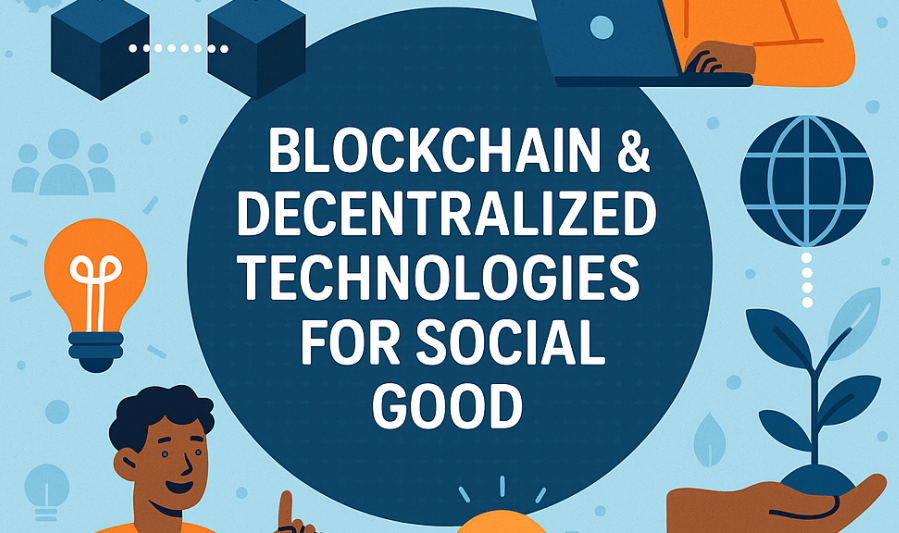
Blockchain is a distributed ledger technology that records transactions across multiple computers in a secure, transparent, and tamper-resistant manner. Decentralization removes the need for a central authority by distributing control across a network, increasing trust, resilience, and data integrity within digital systems.
Use Cases in Finance, Security, and Digital Identity
In finance, blockchain enables faster and more secure transactions through cryptocurrencies, smart contracts, and decentralized finance (DeFi) platforms. In terms of security, blockchain enhances data protection by reducing single points of failure and preventing unauthorized alterations. For digital identity, blockchain allows individuals to securely manage and verify their identities without relying on centralized institutions.
Web3 and Decentralized Applications (dApps)
Web3 represents the next evolution of the internet, built on blockchain technology and decentralized protocols. Decentralized applications (dApps) operate on peer-to-peer networks rather than centralized servers, offering greater transparency, user control, and resistance to censorship across services such as gaming, social media, and finance.
Benefits and Challenges of Blockchain Adoption
Blockchain adoption offers benefits such as enhanced security, transparency, reduced operational costs, and improved trust between parties. However, challenges remain, including scalability issues, high energy consumption, regulatory uncertainty, and the complexity of integrating blockchain with existing systems.
Internet of Things (IoT) and Smart Ecosystems
How IoT Connects Devices
The Internet of Things (IoT) refers to a network of interconnected physical devices embedded with sensors, software, and connectivity technologies that enable them to collect and exchange data. These devices communicate through the internet or local networks, allowing real-time monitoring, automation, and intelligent decision-making across various environments.
Smart Homes, Healthcare, and Industrial IoT
IoT plays a significant role in smart homes by enabling automated lighting, climate control, security systems, and energy management. In healthcare, IoT devices such as wearable sensors and remote monitoring systems improve patient care by tracking vital signs and enabling early diagnosis. Industrial IoT (IIoT) enhances manufacturing and logistics through predictive maintenance, process optimization, and improved operational efficiency.
Role of IoT in Smart Cities
In smart cities, IoT technologies support efficient urban management by optimizing traffic flow, energy consumption, waste management, and public safety. Connected sensors and systems help city authorities make data-driven decisions, improve sustainability, and enhance the overall quality of life for residents.
Security and Privacy Concerns in IoT
Despite its benefits, IoT introduces significant security and privacy challenges. The large number of connected devices increases the risk of cyberattacks, data breaches, and unauthorized access. Ensuring strong encryption, secure authentication, and regular system updates is essential to protect sensitive data and maintain trust in IoT ecosystems.
5G and Next-Generation Connectivity
What Makes 5G Different
5G technology represents a significant leap forward from previous generations of mobile networks. It offers ultra-fast data speeds, extremely low latency, and the ability to connect a massive number of devices simultaneously. These improvements enable more reliable communication, higher network capacity, and better performance even in densely populated areas.
Impact on Mobile Apps, Streaming, and Gaming
With faster speeds and reduced latency, 5G enhances the performance of mobile applications, allowing smoother streaming, quicker downloads, and real-time responsiveness. High-definition video streaming, cloud gaming, and interactive applications benefit significantly from 5G, providing users with immersive and seamless digital experiences.
Support for AR/VR and IoT Technologies
5G plays a crucial role in enabling advanced technologies such as augmented reality (AR), virtual reality (VR), and the Internet of Things (IoT). Its low latency and high bandwidth support real-time AR/VR experiences, while its ability to handle numerous connected devices makes it ideal for large-scale IoT deployments in smart homes, industries, and cities.
Future Connectivity Trends Beyond 5G
Beyond 5G, future connectivity trends include the development of 6G networks, satellite-based internet, and advanced edge computing. These innovations aim to deliver even faster speeds, near-zero latency, and global connectivity, further supporting emerging technologies such as autonomous systems, intelligent automation, and immersive digital environments.
You may also like to read these posst:
How to Hire Talent: A Step-by-Step Guide for Employers
Top Employee Workplace Trends Shaping the Future of Work
Beginner Workout Plans: A Complete Guide to Start Your Fitness Journey
Breaking Latest Technology News from Around the World
Augmented Reality (AR) and Virtual Reality (VR)
Differences Between AR and VR
Augmented Reality (AR) overlays digital content onto the real-world environment, enhancing how users interact with their surroundings. Virtual Reality (VR), on the other hand, immerses users in a fully digital environment, replacing the real world entirely. While AR adds information to reality, VR creates a completely virtual experience.
Applications in Education, Healthcare, Retail, and Training
AR and VR technologies are transforming multiple sectors:
- Education: Immersive simulations and interactive lessons enhance student engagement and learning outcomes.
- Healthcare: VR is used for surgical training and therapy, while AR supports real-time medical visualization.
- Retail: AR allows customers to visualize products in their environment before purchasing, improving shopping experiences.
- Training: VR provides safe, realistic training for complex tasks in industries like aviation, manufacturing, and emergency response.
Metaverse and Immersive Digital Environments
The metaverse leverages AR and VR to create shared, persistent digital spaces where users can socialize, work, and play. These immersive environments integrate gaming, commerce, and social interaction, paving the way for new forms of digital collaboration and entertainment.
Market Growth and Future Outlook
The AR and VR market is experiencing rapid growth, driven by advancements in hardware, software, and connectivity. As technologies mature, adoption is expected to expand across education, healthcare, entertainment, and enterprise applications, making immersive experiences an increasingly integral part of daily life and business.
Faqs:
What are new digital innovations?
New digital innovations are the latest technological advancements, such as AI, blockchain, IoT, 5G, AR/VR, and cybersecurity tools, that are transforming industries and daily life.
Why are new digital innovations important?
They improve efficiency, enhance user experiences, create business opportunities, and drive growth by adopting smarter and faster technology solutions.
How is AI shaping new digital innovations?
AI enables intelligent automation, predictive analytics, personalized experiences, and smarter decision-making across businesses and daily applications.
What role does IoT play in digital innovation?
IoT connects devices to create smart homes, wearable health devices, industrial automation, and data-driven insights for smarter decision-making.
How can individuals and businesses stay updated on new digital innovations?
By following tech blogs, attending webinars, joining industry events, subscribing to newsletters, and experimenting with new digital tools and platforms.
Conclusion
The world of technology is evolving rapidly, and new digital innovations are at the forefront of this transformation. From AI and blockchain to IoT, 5G, AR/VR, and advanced cybersecurity solutions, these innovations are reshaping industries, improving efficiency, and enhancing everyday life. Staying informed and adopting these technologies allows businesses and individuals to stay competitive, embrace smarter solutions, and thrive in an increasingly digital future.