

Introduction
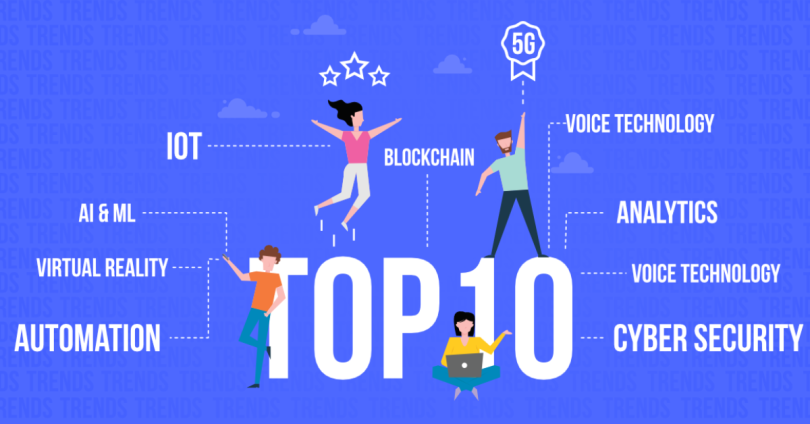
Digital technology is evolving at an unprecedented pace, reshaping industries, workplaces, and everyday life. Innovations that once seemed futuristic—such as artificial intelligence, smart devices, and immersive digital experiences—are now becoming part of daily routines.
Understanding digital technology trends is important for both businesses and individuals. For businesses, staying informed helps maintain competitiveness, improve efficiency, and uncover new opportunities. For individuals, awareness of emerging technologies supports career growth, smarter decision-making, and safer use of digital tools.
This blog explores the major digital technology trends shaping the future, including artificial intelligence, blockchain and Web3, the Internet of Things, 5G connectivity, augmented and virtual reality, and cybersecurity. Together, these trends highlight how technology is transforming the way we work, connect, and innovate.
Blockchain and Decentralized Technologies
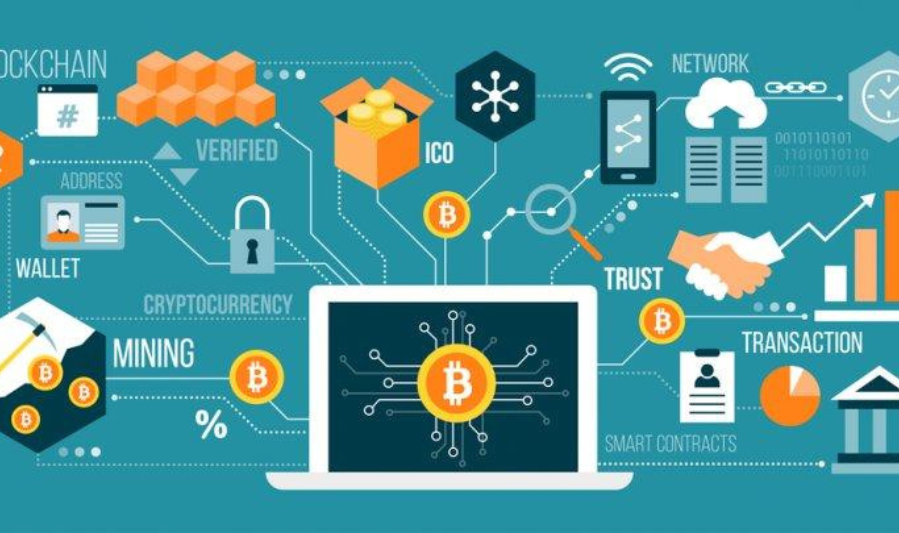
Blockchain and decentralized technologies are reshaping how digital systems handle trust, security, and data ownership. By removing the need for centralized control, these technologies enable transparent, secure, and peer-to-peer interactions.
Explanation of Blockchain Technology
Blockchain is a distributed ledger that records transactions across a network of computers. Each transaction is stored in a block, which is linked to previous blocks, creating a secure and tamper-resistant chain. Because data is shared across the network, no single entity controls it, increasing transparency and trust.
Use Cases in Finance, Security, and Data Management
- Finance: Blockchain enables cryptocurrencies, faster cross-border payments, decentralized finance (DeFi), and smart contracts that automate transactions.
- Security: Its immutability helps protect against data tampering, making it useful for identity verification and secure record keeping.
- Data Management: Blockchain ensures data integrity in supply chains, healthcare records, and digital asset tracking.
Web3 and Decentralized Applications (dApps)
Web3 represents the next phase of the internet, built on decentralized networks. Decentralized applications (dApps) run on blockchain platforms and operate without central servers. These applications give users greater control over their data, digital identities, and online interactions.
Challenges and Adoption Trends
- Challenges: Scalability, energy consumption, regulatory uncertainty, and user experience complexity remain barriers to widespread adoption.
- Adoption Trends: Growing enterprise interest, improved blockchain efficiency, and increasing integration with existing digital systems are driving adoption.
Blockchain and decentralized technologies continue to evolve, offering new opportunities for secure, transparent, and user-driven digital ecosystems while addressing ongoing challenges.
Internet of Things (IoT)
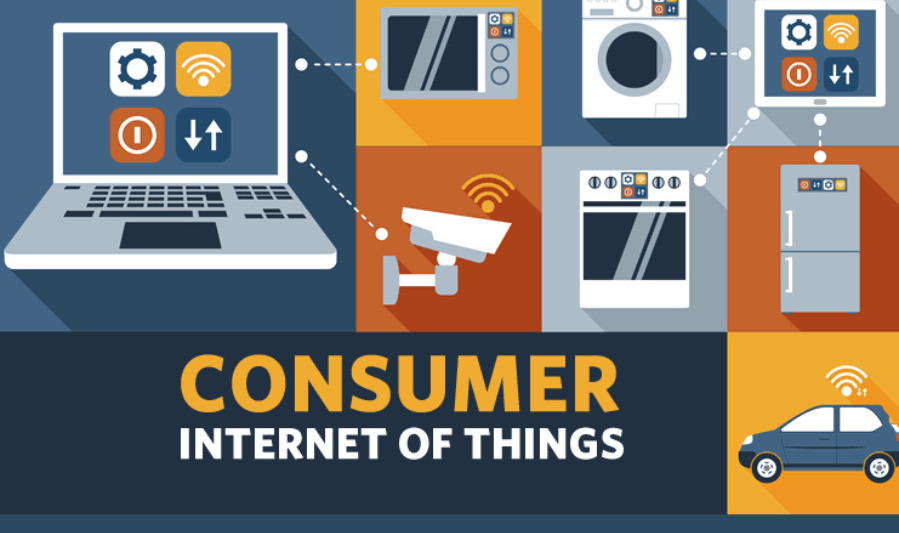
The Internet of Things (IoT) connects everyday devices to the internet, allowing them to collect, share, and act on data. By linking devices, sensors, and systems, IoT enables smarter automation, improved efficiency, and enhanced decision-making in both personal and industrial contexts.
What Is IoT and How It Works
IoT refers to a network of devices that communicate with each other and central systems through the internet. Sensors collect data, devices transmit it to cloud or edge systems, and software analyzes it to trigger actions, send alerts, or optimize performance automatically.
Applications in Smart Homes, Wearables, and Healthcare
- Smart Homes: Devices like thermostats, lights, and security cameras adjust settings automatically and can be controlled remotely.
- Wearables: Fitness trackers and smartwatches monitor health metrics such as heart rate, sleep patterns, and activity levels.
- Healthcare Devices: IoT enables remote patient monitoring, telemedicine, and data-driven health management for improved outcomes.
Industrial IoT and Smart Cities
- Industrial IoT: Sensors and connected machines improve manufacturing efficiency, predictive maintenance, and supply chain management.
- Smart Cities: IoT systems optimize traffic, energy consumption, waste management, and public safety, making urban living more efficient and sustainable.
Security Challenges in IoT Ecosystems
- Data Privacy Risks: Large volumes of personal and operational data are collected and stored.
- Device Vulnerabilities: Poorly secured devices can be exploited by hackers.
- Network Risks: Interconnected systems create multiple potential points of failure or attack.
- Mitigation: Strong encryption, regular software updates, network segmentation, and adherence to security standards are essential for safe IoT deployments.
IoT is rapidly expanding, transforming homes, industries, and cities, but secure implementation is critical to fully realize its benefits.
5G and Advanced Connectivity
5G is the next-generation wireless network that promises faster speeds, lower latency, and greater capacity than previous generations. Its deployment is enabling new digital experiences and more connected ecosystems across industries and daily life.
Benefits of 5G Technology
- Faster Speeds: Enables rapid downloads, smoother streaming, and real-time applications.
- Lower Latency: Near-instant response times support applications requiring real-time interaction.
- Greater Capacity: Supports more connected devices simultaneously without network congestion.
Impact on Mobile Devices, Gaming, and Streaming
- Mobile Devices: Seamless video calls, faster app performance, and improved cloud-based services.
- Gaming: Cloud gaming and multiplayer experiences benefit from low latency, making gameplay smoother and more immersive.
- Streaming: High-quality video and VR/AR content can be streamed without buffering or lag.
Role of 5G in IoT and Smart Infrastructure
- IoT Devices: 5G enables large-scale deployment of connected devices, from wearables to industrial sensors, supporting real-time monitoring and automation.
- Smart Infrastructure: 5G powers smart cities, autonomous vehicles, and energy-efficient systems through reliable, high-speed communication.
Future of Connectivity Beyond 5G
- 6G and Next-Generation Networks: Research focuses on even faster speeds, ultra-low latency, and integration with AI-driven networks.
- Global Coverage: Expanding connectivity to remote regions to bridge the digital divide.
- Enhanced Applications: Supports holographic communications, immersive VR/AR experiences, and AI-powered autonomous systems.
5G and its future successors will continue to transform how people and devices connect, enabling smarter, faster, and more responsive digital ecosystems.
You may also like to read these posts:
How to Hire Talent: A Step-by-Step Guide for Employers
Top Employee Workplace Trends Shaping the Future of Work
Beginner Workout Plans: A Complete Guide to Start Your Fitness Journey
Breaking Latest Technology News from Around the World
Cybersecurity and Data Privacy
As digital technology becomes more pervasive, cybersecurity and data privacy are increasingly critical for businesses, governments, and individuals. Rising cyber threats and growing data volumes make strong protection measures essential to safeguard sensitive information.
Growing Cybersecurity Threats
- Ransomware and Malware: Attacks that encrypt or steal data to demand ransom continue to rise.
- Phishing and Social Engineering: Cybercriminals exploit human behavior to gain access to accounts or systems.
- Supply Chain Vulnerabilities: Weak links in third-party systems can expose organizations to attacks.
AI-Driven Security Solutions
- Threat Detection: AI analyzes large datasets to identify unusual activity or potential breaches in real time.
- Automated Response: AI can isolate threats and implement countermeasures faster than manual processes.
- Predictive Security: Machine learning predicts potential vulnerabilities and helps prevent attacks before they occur.
Zero-Trust Security Models
Zero-trust approaches assume no user or device is inherently trustworthy. Every access request is verified, reducing the risk of internal and external breaches. Key practices include multi-factor authentication, least-privilege access, and continuous monitoring.
Importance of Data Protection and Compliance
- Legal Compliance: Regulations such as GDPR and CCPA require organizations to protect user data and ensure transparency.
- Business Reputation: Strong cybersecurity safeguards build trust with customers and partners.
- Personal Safety: Individuals benefit from protecting personal data to prevent identity theft, financial loss, and privacy violations.
Investing in advanced cybersecurity measures, including AI-driven solutions and zero-trust models, is essential for navigating the increasingly complex digital landscape while ensuring data privacy and regulatory compliance.
Faqs:
What are digital technology trends?
Digital technology trends are the latest innovations and advancements in technology, such as AI, blockchain, IoT, 5G, and cloud computing, that are shaping businesses, industries, and everyday life.
Why are digital technology trends important?
Staying updated with digital technology trends helps businesses remain competitive, adopt efficient tools, improve security, and leverage new opportunities for growth and innovation.
How does AI impact digital technology trends?
AI is a major driver of digital innovation, enabling automation, smart analytics, virtual assistants, and personalized experiences across industries and daily life.
What role does 5G play in digital technology trends?
5G provides faster internet speeds, lower latency, and better connectivity, supporting IoT devices, AR/VR experiences, and enhanced mobile and cloud applications.
How can individuals and businesses stay updated on digital technology trends?
They can follow tech news, attend webinars and conferences, subscribe to industry blogs, take online courses, and monitor emerging tools and platforms.
Conclusion
The world of technology is evolving rapidly, and staying informed about digital technology trends is essential for businesses and individuals alike. From AI and blockchain to IoT, 5G, AR/VR, and cloud computing, these trends are driving innovation, improving efficiency, and shaping the future of work and daily life. Embracing these trends allows you to stay competitive, adopt smarter solutions, and make the most of emerging technologies.