
Introduction
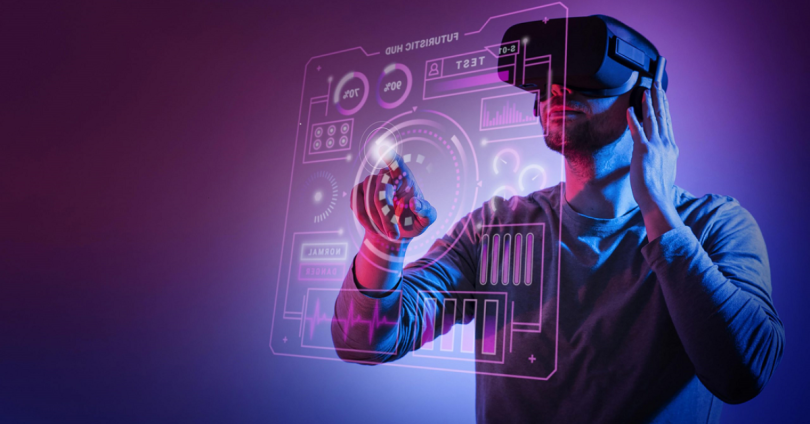
Online technology is evolving at an unprecedented pace, reshaping the way people communicate, work, and access information. From cloud computing and artificial intelligence to social media platforms and mobile applications, digital innovations continue to transform both personal and professional environments across the globe.
The rapid evolution of technology is driven by factors such as increased internet accessibility, advances in computing power, growing data availability, and continuous innovation by technology companies. Competition in the digital marketplace and the demand for faster, smarter, and more efficient solutions also accelerate technological progress.
In today’s digital age, staying updated with online technology trends is essential. Individuals and organizations that adapt to new tools and platforms gain a competitive advantage, while those who resist change risk falling behind. Digital literacy has become a core skill, influencing education, communication, and decision-making.
Artificial Intelligence & Machine Learning
Evolution of AI and ML
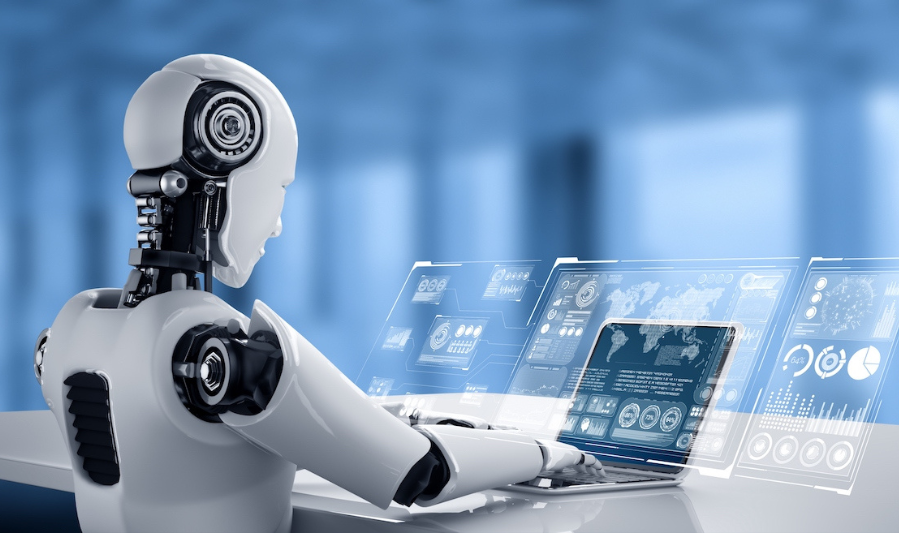
Artificial Intelligence (AI) and Machine Learning (ML) have evolved from simple rule-based programs to highly sophisticated systems capable of learning from large datasets. Early AI focused on logic and predefined instructions, while modern ML leverages neural networks, deep learning, and big data to perform advanced tasks such as speech recognition, image analysis, and language translation.
AI in Automation and Online Platforms
AI plays a vital role in automating processes across online platforms. Many websites and applications use AI-driven systems to personalize content, automate customer support, detect fraud, and optimize search results. This automation improves efficiency, reduces human error, and enhances user experience.
Examples of AI Automation
- Recommendation systems (e.g., streaming and e-commerce platforms)
- Automated chat support
- Spam and fraud detection
- Smart search and filtering systems
Generative AI
Content Creation
Generative AI enables the creation of text, images, videos, music, and code. Content creators and businesses use these tools to produce articles, marketing materials, and multimedia content quickly and efficiently.
Chatbots and Virtual Assistants
AI-powered chatbots and virtual assistants interact with users in real time, providing customer support, answering queries, and improving engagement across websites and applications.
Design and Creative Tools
Generative AI is also transforming design by assisting in logo creation, graphic design, video editing, and user interface development, making creative tools more accessible.
AI in Business Decision-Making
Businesses use AI to analyze large datasets and gain actionable insights. AI-driven analytics support forecasting, customer behavior analysis, risk management, and strategic planning, helping organizations make informed and data-driven decisions.
Ethical Concerns and Responsible AI Usage
The growing adoption of AI raises ethical challenges such as data privacy risks, algorithmic bias, lack of transparency, and potential job displacement. Responsible AI usage emphasizes fairness, accountability, transparency, and human oversight to ensure AI technologies are used ethically and for societal benefit.
Metaverse, AR & VR Technologies

What Is the Metaverse?
The metaverse refers to a shared, immersive digital environment where users interact through avatars in real time. It combines virtual worlds, social platforms, digital economies, and immersive technologies to create experiences that go beyond traditional websites and applications. The metaverse aims to merge physical and digital realities for work, learning, entertainment, and social interaction.
Role of AR and VR in Online Experiences
Augmented Reality (AR) and Virtual Reality (VR) are core technologies enabling immersive online experiences. AR overlays digital elements onto the real world through devices such as smartphones and smart glasses, while VR creates fully immersive virtual environments using headsets. These technologies enhance engagement, interactivity, and realism in online platforms.
Key Differences Between AR and VR
- AR: Enhances the real world with digital content
- VR: Replaces the real world with a simulated environment
Use of AR/VR in Education and Training
AR and VR are transforming education and professional training by offering immersive learning experiences. Students can explore virtual laboratories, historical sites, and 3D models, while professionals can practice skills in realistic simulations.
Applications in Learning
- Virtual classrooms and labs
- Medical and surgical simulations
- Engineering and technical training
- Safety and disaster-response training
Virtual Offices and Remote Collaboration
The metaverse enables virtual offices where remote teams can collaborate in shared digital spaces. Employees can attend meetings, brainstorm ideas, and work together using avatars, enhancing communication and team presence compared to traditional video conferencing tools.
Benefits of Virtual Workspaces
- Improved collaboration and engagement
- Reduced travel costs
- Flexible and inclusive work environments
Challenges and Future Growth of Immersive Technologies
Despite their potential, AR and VR face challenges such as high hardware costs, technical limitations, privacy concerns, and accessibility issues. However, continuous advancements in hardware, software, and network technologies are expected to drive future growth. As devices become more affordable and user-friendly, immersive technologies are likely to play a major role in shaping digital interactions.
Internet of Things (IoT) & Smart Ecosystems
Growth of Connected Devices
The Internet of Things (IoT) refers to a network of physical devices embedded with sensors, software, and connectivity that enable them to collect and exchange data over the internet. The number of connected devices has grown rapidly due to advancements in wireless communication, cloud computing, and affordable sensors, leading to smarter and more efficient digital ecosystems.
Smart Homes and Wearable Technology
IoT has transformed everyday living through smart home devices and wearable technology. Smart homes use connected appliances and systems to improve comfort, security, and energy efficiency, while wearables monitor health, fitness, and daily activities in real time.
Examples of Smart Devices
- Smart thermostats and lighting systems
- Voice-controlled assistants
- Smartwatches and fitness trackers
- Home security cameras and sensors
Smart Cities and Infrastructure
Smart cities leverage IoT technologies to enhance urban infrastructure and public services. Connected systems collect and analyze data to improve traffic management, energy usage, waste management, and public safety, leading to more sustainable and efficient urban environments.
Key Areas of Smart City Implementation
- Intelligent traffic and transportation systems
- Smart energy grids
- Environmental monitoring
- Public safety and surveillance
Industrial IoT (IIoT) Applications
Industrial IoT (IIoT) focuses on the use of IoT technologies in manufacturing, logistics, and industrial operations. Sensors and connected machines enable predictive maintenance, real-time monitoring, and process optimization, reducing downtime and operational costs.
Common IIoT Use Cases
- Predictive equipment maintenance
- Supply chain monitoring
- Automated quality control
- Robotics and smart manufacturing
Real-Time Data Systems and Automation
IoT systems generate vast amounts of real-time data that drive automation and intelligent decision-making. Real-time analytics enable systems to respond instantly to changing conditions, improving efficiency, safety, and performance across industries and daily life.
Blockchain & Web3 Technologies
Blockchain Beyond Cryptocurrency
Blockchain is a distributed digital ledger technology that securely records transactions across multiple computers. While it is best known for powering cryptocurrencies, blockchain has applications beyond digital currencies, including supply chain management, healthcare records, voting systems, and digital identity verification. Its transparency, immutability, and security make it valuable across various industries.
Decentralized Finance (DeFi) Explained
Decentralized Finance (DeFi) refers to financial services built on blockchain networks that operate without traditional intermediaries such as banks or financial institutions. DeFi platforms use smart contracts to enable peer-to-peer transactions, lending, borrowing, and trading in a transparent and automated manner.
Key Features of DeFi
- Permissionless access to financial services
- Smart contract–based automation
- Increased transparency
- Global accessibility
NFTs and Digital Ownership
Non-Fungible Tokens (NFTs) represent unique digital assets stored on a blockchain. They are commonly used to verify ownership of digital art, music, videos, virtual land, and collectibles. NFTs enable creators to monetize digital content while providing verifiable proof of ownership and authenticity.
Use Cases of NFTs
- Digital art and collectibles
- Gaming assets and virtual goods
- Music and media rights
- Virtual real estate
Web3 and the User-Controlled Internet
Web3 represents the next evolution of the internet, focusing on decentralization, user ownership, and control over data. Unlike traditional web platforms controlled by centralized entities, Web3 applications are built on blockchain networks, allowing users to own their digital identities, assets, and interactions.
Core Principles of Web3
- Decentralization
- User data ownership
- Trustless systems
- Peer-to-peer interaction
Benefits and Challenges of Decentralization
Decentralization offers benefits such as increased transparency, reduced reliance on intermediaries, improved security, and greater user control. However, it also presents challenges, including scalability issues, regulatory uncertainty, energy consumption, and technical complexity. Addressing these challenges is essential for the widespread adoption of blockchain and Web3 technologies.
5G & Next-Generation Connectivity
What Makes 5G Different from Previous Networks
5G is the fifth generation of mobile network technology, offering significantly higher speeds, lower latency, and greater capacity than previous generations such as 4G LTE. Unlike earlier networks designed mainly for mobile communication, 5G supports massive device connectivity and ultra-reliable communication, making it suitable for advanced digital applications.
Key Features of 5G
- Extremely high data speeds
- Ultra-low latency
- Support for a large number of connected devices
- Improved network reliability and efficiency
Role of 5G in Online Technology Trends
5G acts as a foundation for many emerging online technologies by enabling faster data transfer and real-time communication. It supports cloud-based services, AI-driven platforms, immersive digital experiences, and advanced mobile applications, accelerating digital transformation across industries.
Impact on IoT, AR/VR, and Smart Cities
5G significantly enhances the performance of IoT systems by enabling real-time data exchange between devices. For AR and VR, low latency and high bandwidth provide smoother, more immersive experiences. In smart cities, 5G supports intelligent traffic systems, public safety networks, and connected infrastructure for efficient urban management.
Industry Applications Enabled by 5G
- Smart transportation and traffic control
- Remote healthcare and telemedicine
- Autonomous vehicles
- Real-time surveillance and monitoring
Edge Computing and Low-Latency Applications
Edge computing works alongside 5G by processing data closer to the source rather than in centralized data centers. This reduces latency and improves performance for applications requiring instant responses, such as online gaming, autonomous systems, industrial automation, and real-time analytics.
Preparing for 6G Networks
While 5G deployment is still ongoing, research into 6G networks has already begun. 6G is expected to deliver even higher speeds, near-zero latency, and advanced integration with AI and sensing technologies. Preparing for 6G involves investing in infrastructure, research, digital skills, and policies that support next-generation connectivity.
You may also like to read these posts:
How to Hire Talent: A Step-by-Step Guide for Employers
Top Employee Workplace Trends Shaping the Future of Work
Beginner Workout Plans: A Complete Guide to Start Your Fitness Journey
Breaking Latest Technology News from Around the World
Green Technology & Sustainability
Clean Energy and Renewable Innovations
Green technology focuses on developing solutions that reduce environmental impact and promote sustainable use of resources. Clean energy innovations such as solar, wind, hydro, and geothermal power are replacing fossil fuels, supported by advancements in energy storage, smart grids, and energy-efficient systems.
Electric Vehicles and Smart Transportation
Electric vehicles (EVs) and smart transportation systems play a key role in reducing carbon emissions and improving energy efficiency. Innovations such as battery technology, charging infrastructure, and AI-powered traffic management are transforming how people and goods move.
Key Developments in Smart Transportation
- Electric cars, buses, and bikes
- Autonomous and connected vehicles
- Smart traffic control systems
- Ride-sharing and mobility platforms
Sustainable Data Centers and Cloud Computing
As digital demand grows, data centers consume significant energy. Sustainable data centers focus on energy-efficient hardware, renewable power sources, and advanced cooling technologies. Cloud computing also supports sustainability by optimizing resource usage and reducing the need for physical infrastructure.
Technology-Driven Climate Solutions
Technology plays a vital role in addressing climate change. AI, IoT, and big data are used to monitor environmental conditions, predict climate patterns, optimize energy consumption, and support conservation efforts. These innovations help governments and organizations make informed, sustainable decisions.
Examples of Climate-Focused Technologies
- Smart energy management systems
- Carbon tracking and reporting tools
- Environmental monitoring sensors
- Climate modeling and prediction systems
Role of Businesses in Sustainable Tech Adoption
Businesses have a critical role in driving green technology adoption. By investing in sustainable practices, reducing carbon footprints, and integrating eco-friendly technologies, organizations can support environmental goals while achieving long-term economic benefits and regulatory compliance.
Faqs:
What are online technology trends?
Online technology trends refer to the latest digital innovations shaping the internet, such as artificial intelligence, IoT, blockchain, 5G, and cybersecurity. These trends influence how businesses operate and how people use online platforms.
Why are online technology trends important?
Online technology trends are important because they help businesses stay competitive, improve efficiency, and enhance user experiences. For individuals, understanding these trends supports career growth and digital awareness.
How does artificial intelligence impact online technologies?
Artificial intelligence improves online technologies by enabling automation, personalized content, smart recommendations, and advanced data analysis. AI-powered tools are widely used in chatbots, marketing, healthcare, and cybersecurity.
What role does cybersecurity play in online technology trends?
Cybersecurity protects digital systems and user data from cyber threats such as hacking and data breaches. Strong cybersecurity measures ensure trust, privacy, and safe use of online technologies.
How can individuals stay updated with online technology trends?
Individuals can stay updated by reading tech blogs, following industry experts, learning new digital skills, and exploring online courses. Continuous learning helps adapt to rapid technological changes.
Conclusion
Online technology trends are rapidly transforming the digital world and reshaping how people live, work, and communicate. Innovations such as artificial intelligence, IoT, blockchain, 5G, and cybersecurity are driving smarter systems, faster connectivity, and more secure online experiences.
As technology continues to evolve, staying informed and adaptable is essential for businesses, professionals, and individuals alike. By understanding and embracing online technology trends, we can prepare for future challenges, seize new opportunities, and thrive in an increasingly connected digital era.