

Introduction
Rapid Pace of Technological Advancements
Technology is evolving at an unprecedented rate, transforming industries, workplaces, and everyday life. Innovations such as artificial intelligence, blockchain, IoT, 5G, and AR/VR are redefining how we communicate, work, and interact with the world around us. This rapid evolution demands constant attention to stay relevant and competitive.
Importance of Staying Updated with Digital Innovations
For businesses, staying informed about emerging technologies ensures competitiveness, operational efficiency, and enhanced customer experiences. Professionals can leverage the latest tools and trends to advance their skills and careers, while tech enthusiasts can explore new opportunities and innovations shaping the digital future.
Overview of Key Innovations Covered in This Blog
This blog explores some of the most transformative digital innovations of our time. From AI and intelligent automation to blockchain, IoT, 5G, and immersive AR/VR technologies, each section highlights the impact, applications, and future potential of these technologies, providing a comprehensive guide to today’s digital landscape.
Artificial Intelligence (AI) and Machine Learning
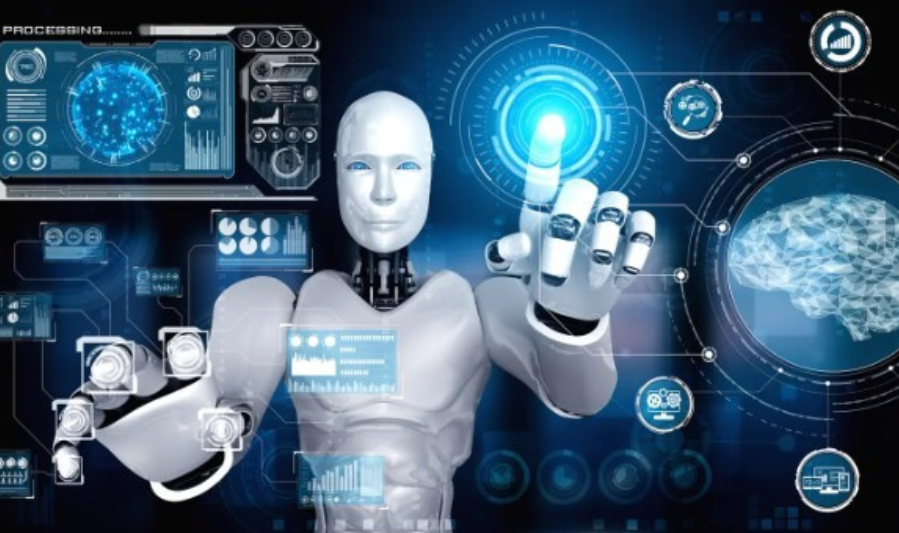
Evolution and Impact of AI on Industries
Artificial Intelligence has evolved from simple rule-based systems to advanced machine learning and deep learning models capable of analyzing vast amounts of data, making decisions, and predicting outcomes. This evolution has transformed industries such as healthcare, finance, manufacturing, and retail by improving efficiency, reducing errors, and enabling data-driven strategies.
AI-Powered Automation and Smart Analytics
AI-driven automation streamlines repetitive and time-consuming tasks, allowing businesses to focus on strategic decision-making. Smart analytics powered by AI extracts actionable insights from complex datasets, helping organizations forecast trends, optimize operations, and personalize services for customers.
AI in Daily Life: Virtual Assistants and Smart Recommendations
AI has become a part of everyday life through applications like virtual assistants, personalized recommendations on streaming platforms, e-commerce suggestions, and navigation tools. These technologies enhance convenience, productivity, and decision-making in both personal and professional contexts.
Future Potential of AI Innovations
The future of AI promises even more transformative possibilities, including autonomous systems, enhanced human-AI collaboration, and ethical AI solutions. As research advances, AI is expected to drive innovation across sectors, creating smarter cities, improved healthcare outcomes, and more personalized experiences for individuals worldwide.
Blockchain and Decentralized Technologies

Explanation of Blockchain and Web3
Blockchain is a distributed ledger technology that records transactions in a secure, transparent, and tamper-resistant way. By removing central intermediaries, it allows for peer-to-peer trust and verification. Web3 builds on blockchain principles to create a decentralized internet where users have more control over their data, digital assets, and online interactions.
Use Cases: Cryptocurrencies, Secure Transactions, and Decentralized Apps (dApps)
- Cryptocurrencies: Blockchain enables digital currencies like Bitcoin and Ethereum, allowing secure, borderless financial transactions.
- Secure Transactions: Smart contracts automate and enforce agreements without intermediaries, reducing fraud and operational risks.
- Decentralized Apps (dApps): dApps operate on blockchain networks, offering services such as decentralized finance (DeFi), gaming, and social platforms with enhanced transparency and user control.
Benefits of Decentralization and Transparency
Blockchain provides several advantages, including increased security, transparency, and trust between parties. Decentralization reduces single points of failure, empowers users with greater control over their data, and promotes accountability in transactions and processes.
Challenges and Adoption Trends
Despite its potential, blockchain adoption faces challenges such as scalability issues, high energy consumption, regulatory uncertainty, and integration complexity. However, ongoing research, enterprise adoption, and advancements in energy-efficient consensus mechanisms are helping to address these barriers, making blockchain an increasingly viable solution across industries.
Internet of Things (IoT) and Smart Devices
How IoT Connects Devices and Systems
The Internet of Things (IoT) refers to a network of interconnected devices equipped with sensors, software, and connectivity, allowing them to collect, exchange, and analyze data in real time. By linking physical objects to digital systems, IoT enables smarter decision-making, automation, and seamless interaction between devices.
Applications: Smart Homes, Wearable Tech, Healthcare Monitoring, Industrial IoT
- Smart Homes: IoT powers automated lighting, climate control, security systems, and energy management, enhancing convenience and efficiency.
- Wearable Tech: Devices like smartwatches and fitness trackers monitor health metrics and provide personalized insights.
- Healthcare Monitoring: IoT enables remote patient monitoring, early diagnosis, and real-time tracking of vital signs.
- Industrial IoT (IIoT): Factories and supply chains leverage IoT for predictive maintenance, process optimization, and enhanced operational efficiency.
Role in Smart Cities and Automation
IoT is a cornerstone of smart city initiatives, enabling efficient traffic management, energy distribution, waste management, and public safety. By connecting city infrastructure and systems, IoT supports automation, reduces resource waste, and improves the quality of life for residents.
Security and Privacy Considerations
Despite its benefits, IoT introduces significant security and privacy risks. The proliferation of connected devices increases vulnerability to cyberattacks, data breaches, and unauthorized access. Ensuring strong encryption, secure authentication, and regular software updates is critical to maintaining trust and protecting sensitive information in IoT ecosystems.
5G and Next-Generation Connectivity
What Makes 5G Different from Previous Networks
5G is the fifth generation of mobile network technology, offering ultra-fast data speeds, extremely low latency, and the ability to connect a massive number of devices simultaneously. Unlike previous networks, 5G supports real-time communication and high-bandwidth applications, enabling seamless digital experiences in both personal and professional contexts.
Impact on Mobile Apps, Gaming, AR/VR, and IoT
The enhanced speed and reliability of 5G unlock new possibilities for mobile applications, gaming, and immersive technologies:
- Mobile Apps: Faster downloads, smoother streaming, and improved cloud-based services.
- Gaming: Reduced latency enables real-time multiplayer experiences and cloud gaming.
- AR/VR: Low-latency connectivity supports immersive augmented and virtual reality applications.
- IoT: 5G can handle massive networks of connected devices, making smart homes, industrial IoT, and smart cities more efficient.
Benefits for Businesses and Consumers
For businesses, 5G enables improved operational efficiency, enhanced data analytics, and new digital services. Consumers benefit from faster connectivity, higher-quality media experiences, and more responsive digital interactions. Overall, 5G supports innovation, productivity, and convenience across industries and daily life.
Future Connectivity Trends Beyond 5G
Looking ahead, 6G and satellite-based networks promise even faster speeds, near-zero latency, and global coverage. These advancements will further support autonomous systems, intelligent cities, and immersive digital environments, continuing the evolution of connectivity and enabling technologies we have yet to imagine.
Augmented Reality (AR) and Virtual Reality (VR)
Differences Between AR and VR
Augmented Reality (AR) overlays digital content onto the real-world environment, enhancing how users perceive and interact with their surroundings. Virtual Reality (VR), in contrast, immerses users in a fully digital environment, replacing the real world entirely. While AR enhances reality, VR creates a completely virtual experience.
Applications in Education, Retail, Healthcare, and Entertainment
- Education: Immersive AR/VR simulations enable interactive learning, virtual labs, and skill development.
- Retail: AR allows customers to visualize products before purchase, improving engagement and decision-making.
- Healthcare: VR supports surgical training and therapy, while AR provides real-time visualization during procedures.
- Entertainment: Gaming and media leverage VR/AR for immersive storytelling and interactive experiences.
Role in Virtual Collaboration and the Metaverse
AR and VR enable new forms of virtual collaboration by creating shared digital spaces where people can interact, work, and socialize remotely. These technologies form the foundation of the metaverse, a persistent virtual environment integrating social, professional, and entertainment activities.
Market Growth and Future Innovations
The AR and VR market is growing rapidly, fueled by advancements in hardware, software, and connectivity. Future innovations are expected to expand adoption across industries, offering more realistic, accessible, and interactive experiences for education, business, healthcare, and entertainment.
You may also like to read these posts:
How to Hire Talent: A Step-by-Step Guide for Employers
Top Employee Workplace Trends Shaping the Future of Work
Beginner Workout Plans: A Complete Guide to Start Your Fitness Journey
Breaking Latest Technology News from Around the World
Cybersecurity and Privacy Innovations
Rising Digital Threats and Challenges
As digital technologies evolve, so do cyber threats. Businesses and individuals face increasing risks from malware, ransomware, phishing attacks, and data breaches. The growing volume of connected devices, cloud adoption, and remote work environments further amplify these challenges, making robust cybersecurity more critical than ever.
AI-Driven Cybersecurity and Proactive Defense Measures
Artificial Intelligence (AI) plays a key role in modern cybersecurity by detecting patterns, identifying anomalies, and predicting potential threats in real time. AI-powered tools enable proactive defense strategies, such as automated threat detection, real-time incident response, and predictive risk management, helping organizations stay ahead of cybercriminals.
Zero-Trust Frameworks and Data Privacy Tools
Zero-trust security frameworks assume that no user or device should be automatically trusted, enforcing strict verification and access controls. Combined with advanced data privacy tools like encryption, multi-factor authentication, and secure cloud solutions, these measures protect sensitive information and reduce the risk of unauthorized access.
Importance of Cybersecurity for Businesses and Individuals
Effective cybersecurity safeguards organizational assets, customer data, and personal information. For businesses, it ensures operational continuity, compliance with regulations, and customer trust. For individuals, strong cybersecurity practices protect privacy, prevent identity theft, and secure personal and financial information in an increasingly digital world.
Faqs:
What are new digital innovations?
New digital innovations are the latest technological advancements, such as AI, blockchain, IoT, 5G, AR/VR, and cybersecurity tools, that are transforming industries and daily life.
Why are new digital innovations important?
They improve efficiency, enhance user experiences, create business opportunities, and help individuals and companies stay competitive in a rapidly evolving digital world.
How is AI contributing to new digital innovations?
AI enables intelligent automation, predictive analytics, personalized experiences, and smarter decision-making across industries and everyday applications.
What role does IoT play in digital innovation?
IoT connects devices to collect and share data, enabling smart homes, healthcare monitoring, industrial automation, and data-driven decision-making.
How can individuals and businesses stay updated on new digital innovations?
They can follow tech blogs, subscribe to industry newsletters, attend webinars and conferences, and experiment with emerging tools and platforms.
Conclusion
The rapid pace of technological advancement means that new digital innovations are constantly reshaping the way we live, work, and interact. From AI and blockchain to IoT, 5G, AR/VR, and advanced cybersecurity, these innovations are driving efficiency, enhancing experiences, and creating new opportunities for businesses and individuals. Staying informed and adopting these technologies is key to thriving in an increasingly digital and competitive world.